


Burnout rarely announces itself. It builds quietly, in the small signs that are easy to miss or explain away, until it becomes impossible to ignore. By the time someone hands in their notice or goes off sick, the cost, to them and to the business, is already high.
What many don't realise is that burnout in your teams is largely preventable. And once equipped with the right knowledge and training, managers are actually in the best position to act early, before things reach a crisis point. This guide covers what causes burnout in teams, why early action matters, and what you can actually do to support your people before it becomes a problem.
Key takeaways
- Burnout is an occupational phenomenon characterised by chronic fatigue, feelings of detachment, and a reduced sense of personal accomplishment.
- Heavy workloads are the leading cause of stress-related absence in UK workplaces.
- Over a third of organisations still describe themselves as more reactive than proactive on wellbeing, despite the evidence that early action delivers significantly better returns.
- 35% of workers do not feel comfortable talking to their manager about stress. How you show up day to day determines whether that number changes in your team.
- Supporting someone through burnout does not end when they return to work. Ongoing support and aftercare matter just as much.
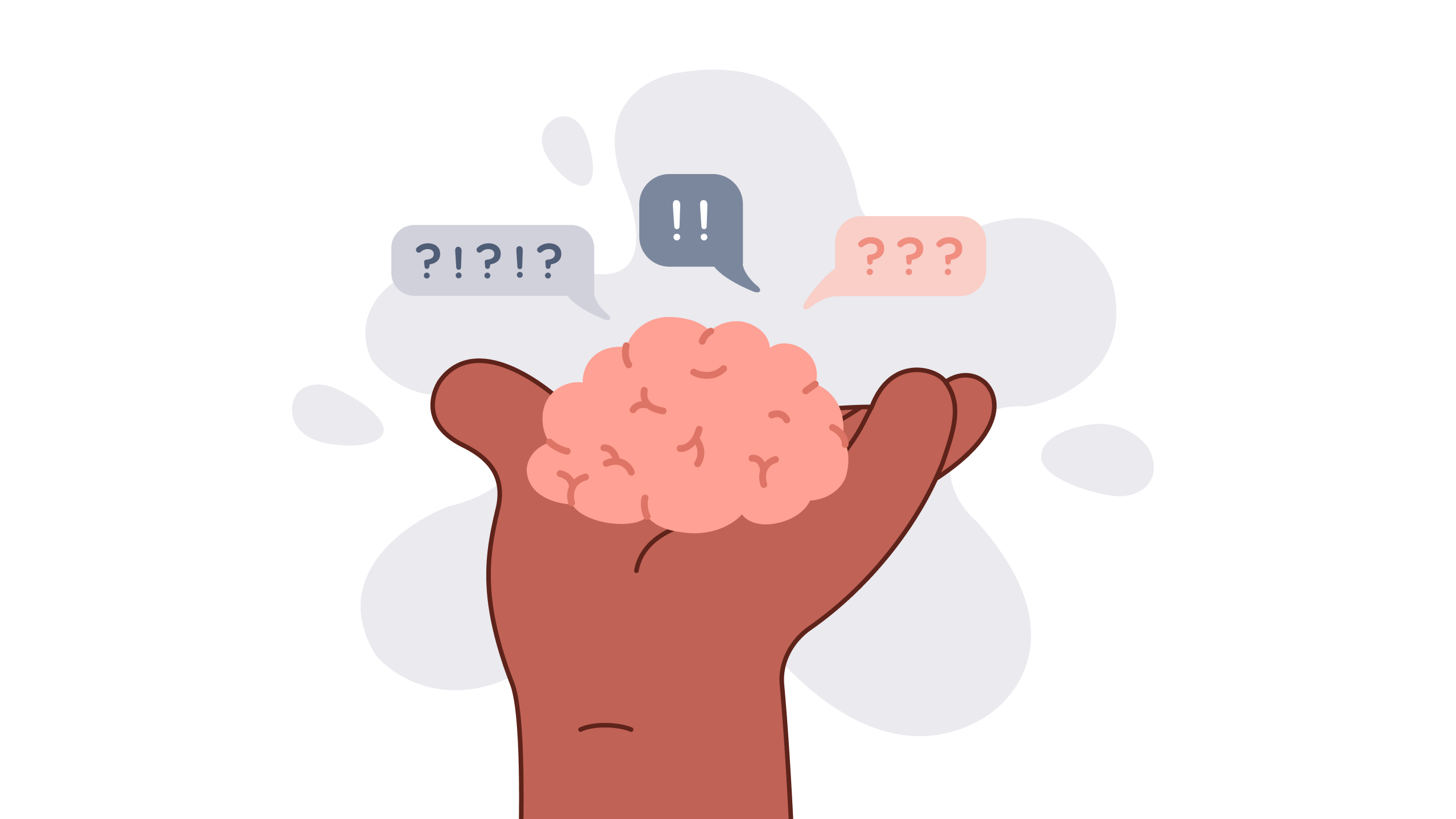
What causes burnout in a team?
Burnout is defined by the World Health Organisation as a syndrome resulting from chronic workplace stress that has not been successfully managed. It shows up in three main ways: exhaustion, increased mental distance from your job, and a reduced sense of effectiveness at work. It is not a medical diagnosis, but it is a serious occupational phenomenon with real consequences for people and organisations.
The causes are rarely down to one thing, but common reasons someone may experience burnout include:
- Unsustainable workloads: consistently too much to do, with too little time or resource to do it well.
- Lack of control: feeling unable to influence decisions, priorities or ways of working.
- Insufficient recognition: effort that goes unacknowledged over time erodes motivation and engagement.
- Poor relationships at work: conflict, distrust or a lack of psychological safety in the team.
- Unfairness: inconsistent treatment, unclear expectations or a sense that the rules do not apply equally.
- Values mismatch: being asked to work in ways that conflict with personal values or sense of purpose.
Research from CIPD's 2025 Health and Wellbeing at Work report found that heavy workloads are the most common cause of stress-related absence, cited by 41% of organisations. But management style also ranks highly, which means how a team is led is itself a risk factor worth taking seriously.

Why prevention beats reacting
Average sickness absence in the UK has reached a record high of 9.4 days per employee per year, up from 7.8 days in 2023, according to the CIPD's 2025 report. Mental ill health is the leading cause of long-term absence, and presenteeism, being at work but not functioning well, costs employers two to three times more than absence, according to ifeel's 2025 report, The Silent Profit Drain.
Despite this, over a third of organisations still describe their approach to wellbeing as more reactive than proactive. That means most organisations are waiting for things to go wrong before they act.
The business case for changing that is clear. Deloitte found that organisation-wide, preventative support, the kind available to everyone before problems take hold, delivers the strongest return, an average of £6.30 for every £1 invested, compared with £4.10 for reactive support that only starts once someone is already struggling. Acting early is not just better for your people; it is considerably better for the business.
The early signs to watch out for
Burnout shows up differently in different people, but common early signals include a drop in performance or concentration, withdrawal from the team, increased cynicism, frequent sickness absences and a loss of motivation in someone who previously seemed engaged.
If you want to build your confidence in spotting and supporting someone through burnout, then understanding the warning signs is a good place to start.
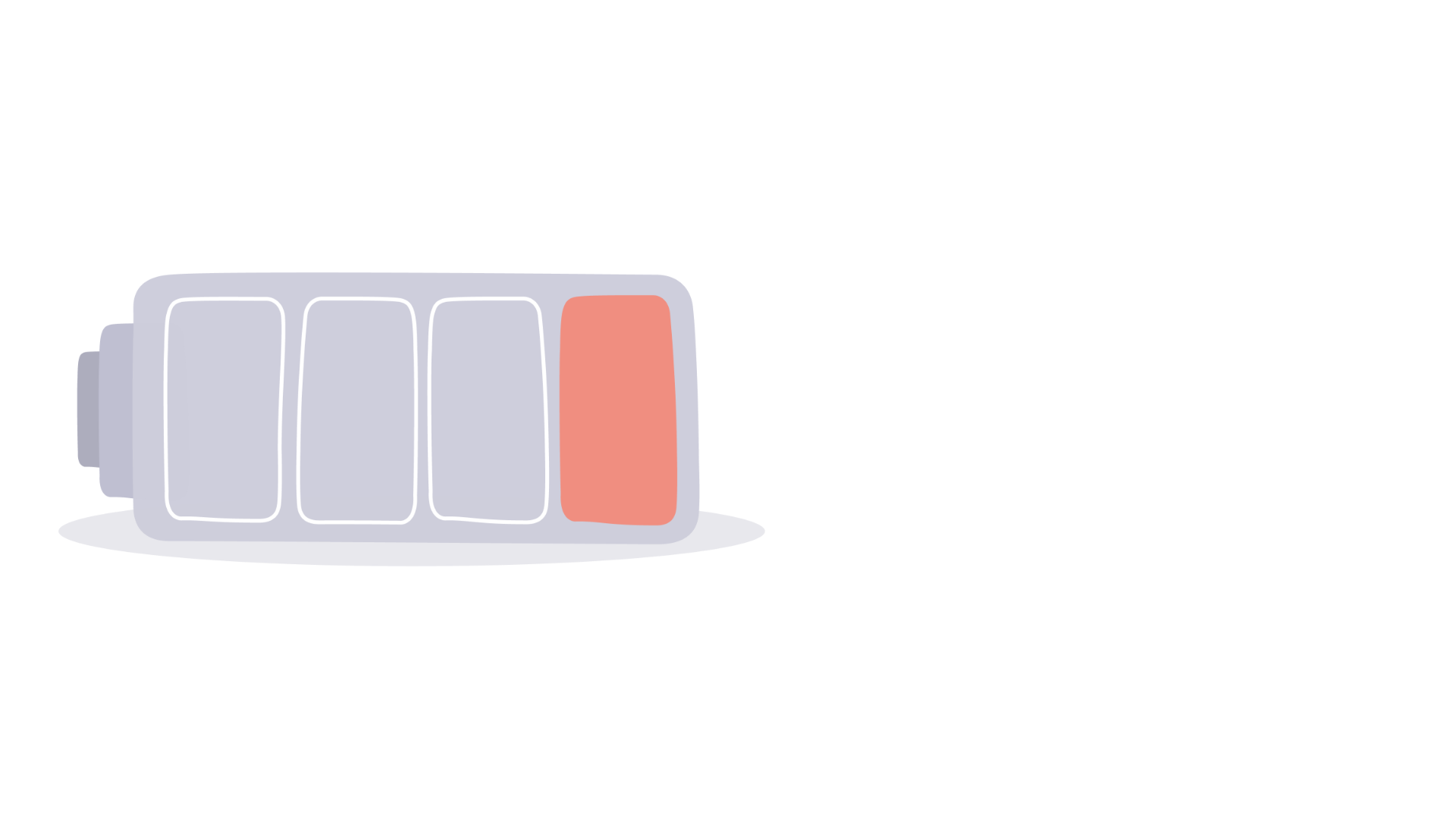
How managers can help prevent burnout
Prevention is less a single intervention and more about the conditions you create for your team day to day. A few things that can really help make a difference:
- Build regular, low-pressure check-ins. A weekly ten-minute catch-up where someone can say how they are actually finding things is often more valuable than a formal quarterly review. Keep it consistent so it becomes a normal part of working together rather than something that only happens when there is a problem.
- Create space for honest feedback. Psychological safety, the sense that it is safe to speak up without fear of negative consequences, is one of the most protective factors against burnout. Teams where people feel heard are more resilient.
- Model boundaries yourself. If you send emails at 10pm, take calls on holiday or never seem to switch off, your team will feel the implicit pressure to do the same. What you do sets the tone, regardless of what you say.
- Distribute work fairly and transparently. Burnout often clusters around the most capable or committed people in a team, precisely because they are the ones most likely to take on more. Keep an eye on who is absorbing the load; if someone is consistently working late, skipping lunch or always the last to log off, that is worth a conversation before it becomes a problem.
How to have a supportive conversation about burnout
This is often the part teams find the hardest, and the data reflects that. Mental Health UK's 2026 Burnout Report found that 35% of workers do not feel comfortable discussing high or extreme levels of stress with their manager, an increase on the previous year. This means the conversation most likely to help is also the one least likely to happen.
Only 29% of organisations currently train line managers to support mental health, yet those that do report a significant difference: 73% of trained managers feel confident having sensitive conversations with employees, compared with 57% of those without training. A few principles for approaching the conversation well:
- Choose the right moment. A private, unhurried setting matters in making people feel comfortable. Not a corridor or straight after a difficult meeting.
- Lead with observation, not assumption. “I have noticed you have seemed quieter lately; I just wanted to check in” lands better than “I think you might be burnt out.”
- Listen more than you talk. Your job in this conversation is to create space, not to diagnose or fix.
- Avoid minimising. “Everyone is busy at the moment” shuts the conversation down. Acknowledge what you are hearing instead.
- Agree a next step together. Whether that is a follow-up conversation, a workload review or a referral to support, leave the conversation with something concrete.

How to support someone who is already burnt out
If someone in your team is already experiencing burnout, the priority is to reduce pressure, not add to it with a recovery plan that creates its own demands.
In the short term, that might mean temporarily redistributing workload, agreeing on clearer boundaries around availability, or signing off absence if the person needs time to recover. Mental Health UK's 2026 report found that one in four workers who took time off due to extreme stress received no support on their return, and only 17% had a formal return-to-work plan in place. That gap is where burnout recovery breaks down, often further isolating those who are struggling.
A structured return to work should include:
- A genuine conversation about what contributed to burnout, not just a tick-box return-to-work form.
- A phased return with a reduced workload that builds gradually.
- Regular check-ins in the first few weeks back. This shouldn't just cover work progress, but also how the person is finding things back at work.
- A clear point of contact for support, whether that is HR or an external wellbeing resource.
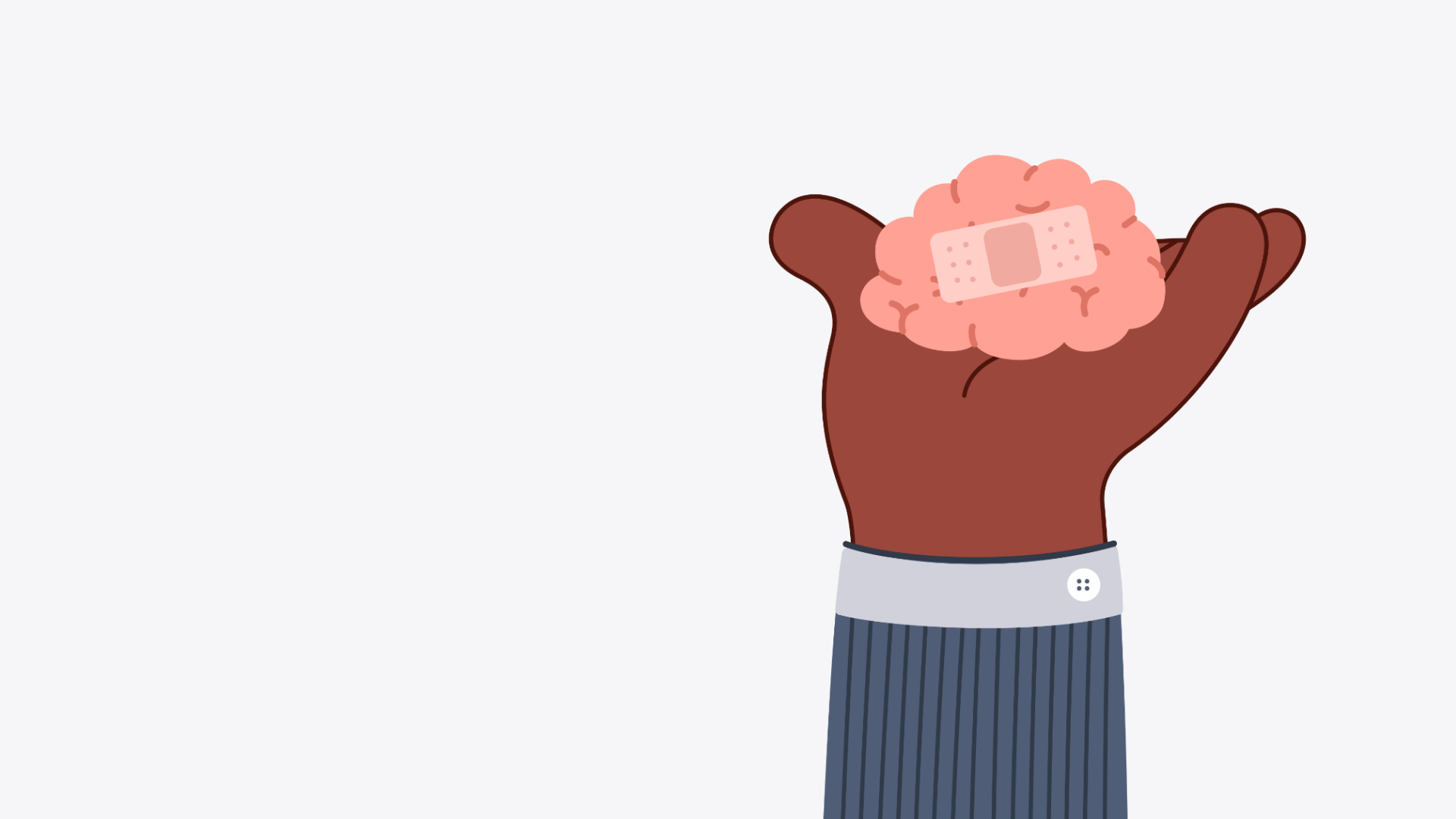
Longer term, burnout in one team member is often a signal worth paying attention to at a team level. If the conditions that led to it have not changed, the risk has not gone away.
This is where having the right support in place makes it possible to get ahead of the problem rather than catch up with it. If you would like to see how MYNDUP supports managers and their teams through this, book a chat with our team and we can walk you through it.
Frequently asked questions

What is the difference between stress and burnout?
Stress is usually tied to a specific pressure or period and tends to ease when that pressure lifts. Burnout is the result of chronic, unmanaged stress over time and tends to feel more like exhaustion, detachment and a loss of effectiveness that does not shift even when the workload does. Both are worth taking seriously, but they need different responses.
How long does it take to recover from burnout?
There is no single answer, and that is part of what makes burnout difficult to manage. Recovery depends on how long someone has been struggling, what caused it and what support is in place. For some people it takes weeks. For others, months. A phased return and genuine reduction in pressure is usually the most effective way to address it.
What should I do if I think I am burning out myself?
Manager burnout is a real and underreported issue. The same signals apply: exhaustion that does not shift, increasing detachment, a sense that nothing you do is enough. If that sounds familiar, the same advice applies: talk to someone, reduce pressure where you can and do not wait until it becomes a crisis.